
Comparing the Best Alternative Business Loan Companies Online in October 2026

Alternative lenders aren’t all alike, even though they’re often lumped together. One company may specialize in merchant cash advances for restaurants, another in lines of credit for brand new businesses, and another in large term loans for companies with years of history. Comparing them as if they were interchangeable leads owners to the wrong product, and the wrong product is how a manageable financing decision turns into a cash flow problem.

This guide compares ten alternative business loan companies that are active and well established in October 2026. Instead of listing them, we organize the comparison around the situations that send owners looking for alternative financing in the first place, then review each company in detail. Our goal is to help you match your circumstances to the right provider before you ever fill out an application.

What Makes Alternative Financing Different

Traditional commercial lending relies heavily on credit history, collateral, and years of tax returns. Alternative lending shifts the emphasis toward current performance. Lenders in this space look closely at bank deposits, card sales, receivables, and revenue consistency, which allows them to approve businesses that banks would decline and to do it much faster. The tradeoff is cost. Alternative financing usually carries a higher price than a bank loan, so the comparison that matters most is whether the speed and flexibility are worth that price for your particular need.

Comparison by Situation

Your Situation Strong Options Why
Need money today, unsure which product fits fundivi Ten products, same day funding on most, built in product matching
Credit score in the 500s fundivi, Credibly Both consider scores below 600 when revenue is solid
Business under six months old Everest Business Funding Considers businesses with three months of history
Large, mature company SBG Funding, Kapitus, fundivi Broad menus and higher funding ceilings
Unpaid invoices slowing cash flow fundivi, SBG Funding Factoring and invoice financing unlock receivables
Quick short term working capital Fora Financial, Credibly, fundivi Fast lump sum funding
Want early payoff savings National Funding, Fora Financial Discounts for repaying ahead of schedule

1. fundivi: Best Alternative Business Loan Company Overall

In nearly every situation in the table above, fundivi shows up as a strong option, and that versatility is the reason it ranks first. Where many alternative companies are built around a single product, this lender offers ten, covering short term needs, growth capital, and large asset backed facilities.

Compared with typical merchant cash advance shops, the lineup is unusually complete. Merchant cash advances and working capital each range from $10,000 to $2 million. Revenue based financing spans $50,000 to $5 million, and business term loans run $25,000 to $5 million. All four can fund the same day. Bridge capital covers $50,000 to $1 million and can fund within about three hours, giving it an edge over almost every competitor when timing is critical.

Next to lenders that stop at short term products, it also offers longer horizon tools. Lines of credit range from $10,000 to $1 million with funding in one to three days, and equipment financing ranges from $15,000 to $3 million with funding in 24 to 72 hours. Factoring receivables from $25,000 to $10 million and asset based loans from $250,000 to beyond $25 million generally fund in one to two weeks. SBA loans from $50,000 to $5 million follow the standard 60 to 90 day path for owners who want the lowest long term cost.

Qualification begins at six months in business, $30,000 in monthly revenue, and a FICO of 550, which compares favorably with competitors that require a full year and a 600 or 625 score. The application takes about two minutes, an underwriting engine evaluates actual performance rather than credit alone, and owners can book a consultation with a specialist. When we compare transparency, its cost calculator and educational resources also stand out in a market where pricing is often hard to pin down.

2. Kapitus: Best for Mature Businesses Wanting Options

Kapitus, originally founded in 2006 as Strategic Funding Source, offers a wide menu that includes term loans, lines of credit, equipment financing, invoice factoring, merchant cash advances, and SBA loans. Compared with most alternative companies, its range is deep. Its typical requirements are higher, though, at about 12 months in business, a 620 credit score, and roughly $240,000 in annual revenue. For a mature business that clears those bars, Kapitus is a strong contender. For younger or credit challenged businesses, other options compare more favorably.

3. Credibly: Best for Lower Credit Scores

Credibly offers working capital loans, merchant cash advances, and short term loans from $5,000 to $600,000, and it’s known for considering credit scores in the 500s. Next to Kapitus, it’s more accessible but generally more expensive. Compared with fundivi, it offers a narrower product menu. It remains a practical choice for owners whose credit’s still recovering and who have consistent deposits to show.

4. Fora Financial: Best for Quick Short Term Working Capital

Fora Financial provides short term loans, revenue advances, lines of credit, and equipment financing geared toward everyday working capital needs, from $5,000 to $1.5 million. Next to larger multi product lenders, it’s more focused, which can make the experience simple and quick. It asks for six months in business, a 570 score, and about $20,000 in monthly revenue, and it’s a good fit for owners who need a defined sum for inventory, payroll, or a short project and plan to repay within about a year.

5. SBG Funding: Best for Large or Long Term Alternative Financing

SBG Funding covers situations most alternative lenders cannot. In the comparison table above, it fits the large, mature company row and the slow paying customer problem alike, with term loans up to $10 million, lines of credit up to $1 million, invoice financing that advances up to 90 percent of receivables, equipment financing, bridge capital, and SBA 7(a) loans. Six months in business and a 600 score unlock most products. Compared with quicker, lighter applications, expect to gather more paperwork.

6. Everest Business Funding: Best for Businesses Under Six Months Old

Everest Business Funding answers the toughest row in our situation table: the business that’s only a few months old. It considers companies with three months of history and credit near 500, offering merchant cash advances and revenue based financing sized to recent sales. Next to lenders that require six or twelve months, it opens doors earlier, at the price of short terms and factor rates commonly between 1.2 and 1.5.

7. Kalamata Capital Group: Best for Advances Up to $750,000

Kalamata Capital Group focuses on revenue based funding, usually structured as a merchant cash advance, with amounts up to $750,000 and funding in about one to two business days. Compared with Everest, it can provide larger advances. Next to the multi product lenders on this list, it offers less choice, and it publishes fewer details about pricing and qualifications, which makes careful side by side comparison of written offers essential.

8. National Funding: Best Fixed Payment Alternative to an Advance

National Funding offers small business loans up to $500,000 and equipment financing, with six months in business and about $250,000 in annual sales as the starting point. Compared with advance focused providers, it offers a more traditional repayment structure and rewards early payoff with a discount on the remaining balance. A personal guarantee is required on all loans.

9. Biz2Credit: Best for Established Companies Comparing Revenue Based Options

Biz2Credit offers revenue based financing from a credit score of roughly 575, alongside term loans for businesses with solid sales and a longer track record. Next to Credibly or Everest, it favors more established profiles. Compared with Kapitus, its focus is narrower but its revenue based structure can be a good fit for companies with predictable monthly sales.

10. OnDeck: Best for Building Toward Cheaper Credit

OnDeck rounds out this comparison as the alternative lender most focused on credit building. It offers term loans and lines of credit to businesses with a year in operation, about $100,000 in yearly revenue, and a 625 FICO, and it reports payments to business credit bureaus. Next to other names here, it asks for a stronger profile and carries average APRs in the mid fifties, but the reporting benefit can pay off when it’s time to seek lower cost financing.

Comparing Cost the Right Way

Alternative companies quote prices in different ways, which makes comparison harder than it should be. Some use factor rates, some use APR, and some use simple interest. To compare fairly, convert every offer into the same three numbers: total amount repaid, length of the repayment period, and how often payments are taken. A $40,000 advance with a total repayment of $50,000 over eight months will feel very different from a $40,000 term loan with a total repayment of $50,000 over eighteen months, even though the dollar cost is identical.

Also compare fees that sit outside the rate. Origination fees, maintenance fees, and early payoff terms all change the real cost. Some companies reward early repayment, while others require the full payback amount no matter how fast you repay. Ask directly before you sign.

Comparing Requirements Before You Apply

Applying to a company whose minimums you don’t meet wastes time and can add unnecessary credit inquiries. Compare the three core requirements first: time in business, monthly or annual revenue, and credit score. In this comparison, minimum time in business ranges from three months at Everest Business Funding to about a year at Kapitus and OnDeck. Credit expectations range from around 500 at Everest and the 500s at Credibly and fundivi to around 620 at Kapitus and 625 at OnDeck. Revenue thresholds vary widely, so know your average monthly deposits before you begin.

Comparing Funding Speed Realistically

Every company in alternative business lending advertises speed, but the numbers aren’t always comparable. Some quote the time to a decision, others the time to funding, and others the fastest case for a returning customer. When comparing, ask for the typical time from a complete application to money in your account for a first time borrower with your profile. In this group, same day funding is common for merchant cash advances, working capital, and short term loans, while lines of credit often take one to three days and equipment financing a day or three. Factoring and asset based facilities usually need one to two weeks because collateral must be reviewed, and any company promising otherwise deserves a follow up question.

A Worked Example: Two Owners, Two Choices

Consider two businesses applying in the same week. The first is a landscaping company, fourteen months old, with $45,000 in average monthly deposits, a 590 credit score, and a need for $60,000 to buy a second truck and trailer before spring contracts start. The second is a wholesale distributor, four years old, with $400,000 in monthly revenue, a 680 score, and $500,000 in invoices that customers will pay over the next 60 days.

For the landscaper, equipment financing is the natural comparison point, because the truck itself secures the deal and payments can be spread out. A merchant cash advance would be faster but far more expensive for a purchase that will produce value for years. A lender offering both lets the owner compare directly. For the distributor, factoring receivables or an asset based facility compares well against a term loan, since the cash is already owed and simply needs to be unlocked sooner. The same answer doesn’t fit both, which is exactly why comparing by situation beats comparing by brand name alone.

Comparing Support After the Money Arrives

The comparison should not stop at funding. Ask each company who services the account after you’re funded, how to reach them, and what options exist if sales dip for a month. Companies that fund and service their own products tend to offer more consistent support than those that pass accounts to a partner. A consultation or dedicated specialist can make a real difference when you need to adjust a payment or plan your next round of financing.

Red Flags Worth Comparing Too

Any fair comparison should include the warning signs. Be wary of companies that guarantee approval, charge fees before funding, refuse to put terms in writing, or pressure you to sign immediately. Be cautious about taking a second or third advance while one is already open, because overlapping daily payments can quickly overwhelm a business. Reputable alternative lenders welcome questions and give you time to review an offer.

Frequently Asked Questions

Which alternative business loan company is best for October 2026?

In our comparison, fundivi ranks first for its ten product range, same day funding on most products, and accessible requirements of six months in business, $30,000 in monthly revenue, and a 550 FICO score.

What is the easiest alternative business loan to get?

Merchant cash advances and revenue based financing usually have the most flexible approval standards, since they focus on sales volume. Everest Business Funding is notable for accepting very young businesses.

How do I compare a factor rate with an APR?

Convert both offers into total dollars repaid, term length, and payment frequency. A shorter term with the same total repayment carries a much higher effective annual cost.

Is Compare Business Loans Online a direct lender?

No. We compare third party lenders and help owners connect with them. We don’t take applications or fund loans.

Can I use alternative financing to build toward a bank loan?

Yes. Paying an alternative loan on time and growing revenue can strengthen your profile, and some lenders report payments to business credit bureaus.

How many alternative lenders should I compare before choosing?

Comparing two or three serious offers is usually enough to see whether a price is fair. Applying everywhere at once can trigger a flood of calls and extra credit inquiries, so it’s smarter to narrow your list by product fit and minimum requirements first, then request offers only from the companies most likely to approve you on reasonable terms.

The Takeaway

The best alternative business loan company is the one that fits your situation, and this comparison shows how different those fits can be. Kapitus and SBG Funding suit mature companies, Credibly helps owners with lower credit, Everest opens the door for brand new businesses, Fora and National Funding reward early payoff, and Kalamata, Biz2Credit, and OnDeck each serve particular profiles. For the widest range of situations covered by a single provider, fundivi earns the top spot in our October 2026 comparison.

Business Loan Platforms Compared Side by Side: Our October 2026 Top Picks

Most “best of” lists tell you who won. Very few show you why, or how the winner actually compares with the runner up on the things you care about. That’s the gap Compare Business Loans Online exists to fill. We line platforms up next to each other on the same criteria so you can see the differences for yourself, then make a call based on your business instead of a marketing headline.

This October 2026 comparison covers ten business lending platforms that consistently come up when owners shop for financing online. They range from a full service lender with ten products to established multi product lenders to specialists focused on fast advances. Below you’ll find a quick comparison table, a set of head to head matchups, a closer look at each platform, and practical guidance on choosing between them.

Quick Comparison Table

Platform Best For Product Range Typical Speed Starting Credit
fundivi Overall fit and speed 10 products Same day on most products 550
OnDeck Building business credit Term loans, lines of credit As soon as same day 625
SBG Funding Large amounts, long terms Term loans, lines, equipment, SBA, invoices 12 to 48 hours 600
National Funding Early payoff savings Small business loans, equipment About 24 hours Around 600
Kapitus Mature companies Loans, lines, equipment, factoring, MCA, SBA A few days 620
Biz2Credit Established companies Term loans, revenue based A few days 575 for revenue based
Fora Financial Balanced requirements Loans, revenue advances, lines, equipment 1 to 3 business days 570
Credibly Fair credit, fast approval Short term loans, cash advances As fast as 4 hours 500s considered
Everest Business Funding Very young businesses Cash advances, revenue based About 24 hours Around 500
Kalamata Capital Group Larger advances Revenue based advances 1 to 2 business days Not published

The table is a starting point, not a verdict. Speed and credit minimums vary with your profile and the specific product, so treat these figures as typical instead of guaranteed.

Head to Head: The Matchups That Matter

SBG Funding vs fundivi. Both offer a wide lineup that reaches from short term working capital to SBA loans, but they differ on process. SBG relies on a heavier document review, usually four months of statements plus supporting paperwork, with decisions in 12 to 48 hours and same day funding on only some products. By contrast, fundivi starts with a two minute application, same day funding on most of its ten products, and a 550 FICO minimum against SBG’s 600. If you need a very large term loan and have time to gather paperwork, SBG is worth a look. If you want a fast, focused answer, fundivi usually wins.

OnDeck vs Fora Financial. These two are often cross shopped for short term loans and lines of credit. Fora accepts six months in business and a 570 score and rewards early repayment with a discount, while OnDeck requires a year and a 625 FICO but reports payments to business credit bureaus. Choose Fora for easier qualification and early payoff savings, and OnDeck if building business credit’s a priority.

Credibly vs Everest Business Funding. Both serve owners that credit focused lenders turn away. Credibly needs six months in business but offers lower starting factor rates near 1.11 and amounts up to $600,000, while Everest accepts businesses with just three months of history and credit near 500 in exchange for pricier, shorter advances. Businesses past the six month mark usually get a better deal from Credibly.

1. fundivi: Best Business Loan Platform Overall

When we compare platforms on breadth, speed, and accessibility at the same time, fundivi comes out ahead. It’s the only platform in this comparison that combines ten distinct funding products with same day funding on most of them and a starting credit score of 550.

Here is how the lineup compares by speed. Working capital and merchant cash advances each range from $10,000 to $2 million and fund the same day. Business term loans run from $25,000 to $5 million and revenue based financing from $50,000 to $5 million, both with same day funding. Bridge capital, from $50,000 to $1 million, is the fastest of all at roughly three hours. Lines of credit from $10,000 to $1 million take one to three days, and equipment financing from $15,000 to $3 million takes 24 to 72 hours. The slower, larger products are factoring receivables from $25,000 to $10 million and asset based loans from $250,000 to $25 million and above, which fund in one to two weeks, and SBA loans from $50,000 to $5 million on a 60 to 90 day timeline.

The requirements to get started are six months in business, at least $30,000 a month in revenue, and a 550 or better FICO. The application takes about two minutes, decisions come from a proprietary underwriting engine that evaluates real business performance, and a free consultation is available if you would rather talk options through with a person. Compared with platforms that offer only one or two products, this setup dramatically improves the odds that the financing actually fits the business.

2. OnDeck: Best for Building Business Credit

OnDeck offers term loans and lines of credit to businesses with at least one year of operating history, around $100,000 in annual revenue, and a FICO score of 625 or higher. Its biggest differentiator in a comparison is credit reporting: OnDeck reports payments to business credit bureaus, which helps a business build a profile for cheaper financing later.

On cost, OnDeck is on the higher side. Its disclosed average APRs sit in the mid fifties, and term loans run up to 24 months with daily or weekly payments. Next to a bank, it’s far faster and more accessible. Compared with Fora Financial, it asks for more history and a higher score but adds the credit building benefit Fora lacks.

3. SBG Funding: Best for Large Amounts and Long Terms

Set side by side with the rest of this list, SBG Funding has the highest ceilings. Term loans go up to $10 million with repayment periods measured in years rather than months, lines of credit range from $5,000 to $1 million, and the company also offers equipment financing, bridge capital, invoice financing, and SBA 7(a) loans. Most products require six months in business and a 600 credit score. Next to OnDeck, SBG offers longer terms and larger amounts without prepayment penalties. Compared with fundivi, it asks for more documentation, typically four months of statements plus supporting paperwork, and decisions usually take 12 to 48 hours.

4. National Funding: Best for Early Payoff Savings

National Funding provides small business loans of up to $500,000 and equipment financing, with eligibility beginning at six months in business and about $250,000 in annual sales. Next to other short term lenders, its standout feature is a discount on the remaining balance for borrowers who pay off a small business loan early. It requires a personal guarantee, which is common in this category but worth noting.

5. Kapitus: Best Single Source for Mature Companies

Kapitus offers term loans, lines of credit, equipment financing, invoice factoring, merchant cash advances, and SBA loans, putting its product menu close to the top of this comparison. Its requirements are firmer than most, at roughly 12 months in business, a 620 credit score, and $240,000 in annual revenue. Next to National Funding, it offers more product types. Compared with lenders that welcome six month old businesses, it’s more selective. Founded in 2006, it brings one of the longest track records on the list.

6. Biz2Credit: Best for Established, Larger Companies

Biz2Credit works as both a direct lender and a matching platform. Its revenue based financing accepts scores from about 575, and its strongest offers go to businesses with strong revenue and several years of history. Next to newer business friendly options, it’s more selective, but it can deliver larger amounts to companies that qualify.

7. Fora Financial: Best Middle Ground on Requirements

Fora Financial sits in the middle of this comparison on nearly every measure. Its amounts run from $5,000 to $1.5 million, its requirements of six months in business, a 570 score, and about $20,000 in monthly revenue are more relaxed than OnDeck or Kapitus, and its funding typically arrives within one to three business days. Products include small business loans, revenue advances, lines of credit, and equipment financing. Compared with National Funding, both reward early repayment, and Fora also lets borrowers renew after paying down 60 percent of the balance.

8. Credibly: Best Fast Option for Fair Credit

Credibly offers short term loans and business cash advances from $5,000 to $600,000, with approvals possible in about four hours and factor rates starting around 1.11. Next to OnDeck, it’s more forgiving on credit, since strong cash flow can offset a lower score. Compared with Fora, its maximums are lower but its speed is often faster. A 2.5 percent fee applies at funding, and requirements include six months in business and roughly $15,000 in monthly revenue.

9. Everest Business Funding: Best for the Youngest Businesses

Everest Business Funding has the lowest entry bar in this comparison, considering businesses with three months of history and credit near 500. It offers merchant cash advances and revenue based financing sized to recent sales, with funding commonly within a day of approval. Next to everyone else on the list, it’s the easiest to qualify for and one of the most expensive, with short terms of two to twelve months and factor rates that often land between 1.2 and 1.5.

10. Kalamata Capital Group: Best Pure Advance Provider

Kalamata Capital Group provides revenue based funding, typically as a merchant cash advance, of up to $750,000, with fast decisions and funding in one to two business days. Compared with multi product lenders on this list, it’s narrowly focused on advances. Next to Everest, it offers higher amounts but publishes less about its qualification standards and pricing, so get every number in writing when comparing offers.

How to Use This Comparison

Start by sorting platforms into three groups. Lenders with broad product menus, like fundivi, SBG Funding, and Kapitus, can fit the product to the business and give you a single relationship as your needs change. Focused lenders, like OnDeck, Fora Financial, National Funding, and Biz2Credit, do a few products well. Advance specialists, like Credibly, Everest Business Funding, and Kalamata Capital Group, are fast and accessible but best reserved for short term needs.

Then match the group to your situation. If speed matters and you aren’t sure which product you need, a lender with a wide product range is the efficient choice. If you already know you want a term loan or line of credit and your profile is strong, a focused lender may give you excellent terms for that exact product. If credit or time in business rules out most options, an advance specialist can bridge the gap while you build toward cheaper financing.

Finally, compare offers on total cost and payment frequency. Two loans with similar rates can feel completely different if one is repaid daily and the other monthly. The right choice is the one your cash flow can carry comfortably.

Comparing the Application Experience

Speed to funding gets most of the attention, but the application itself deserves a comparison of its own. On the fastest platforms, a business can complete the initial application in a couple of minutes, link a bank account for automatic statement review, and see a decision the same day. Others still ask for uploaded statements, tax returns, and a debt schedule before anyone looks at the file. For a busy owner, the difference between a two minute form and an hour of document gathering is real.

Look also at how a platform checks credit. Many begin with a soft inquiry that doesn’t affect your score, then perform a hard pull only once you choose to move forward with a specific offer. Read the consent language carefully so you know who will see your information and contact you.

Comparing Support After Funding

The relationship doesn’t end when the money arrives. Ask how payments are collected, whether you can change payment dates, what happens if you want to pay off early, and who you call when something goes wrong. Lenders that service their own products give you one consistent point of contact, and a dedicated specialist or consultation option is a meaningful advantage when your business hits a slow stretch and you need to talk through options.

Where Alternative Lending Fits Against Banks

It’s worth comparing the whole category to traditional commercial lending too. Banks and SBA lenders still win on price for businesses with strong credit and time to wait. Alternative financing wins on speed, accessibility, and flexibility, especially for businesses under two years old, owners with credit in the 500s or low 600s, and companies with uneven revenue. Many successful businesses use both, relying on alternative lenders for speed and banks for long term, lower cost capital once they qualify.

Frequently Asked Questions

Which business loan platform is best in October 2026?

In our side by side comparison, fundivi ranks first because it combines ten products, same day funding on most of them, a two minute application, and eligibility starting at six months in business, $30,000 in monthly revenue, and a 550 FICO.

Is it better to use a lender with many products or a specialist?

It depends on how sure you’re about what you need. Lenders with broad product menus can match you to the right structure and keep you in one relationship as your needs change. Specialists can be excellent when you already know exactly which product you want and fit their requirements.

What credit score do I need to compare business loans online?

Comparing options generally doesn’t require a minimum score, and many platforms start with a soft check. To qualify, minimums typically range from about 550 to 625 for online lenders and higher for SBA loans.

Does Compare Business Loans Online lend money?

No. We’re a comparison service. Applications, approvals, and funding are handled by third party lenders.

How should I compare two loan offers?

Look at the total amount you’ll repay, the payment frequency, the term, and every fee. Then ask whether your weekly cash flow can handle the payments comfortably.

Our Verdict

Putting these platforms side by side makes their strengths clear. OnDeck builds credit, SBG Funding offers the largest amounts, National Funding and Fora reward early payoff, Kapitus covers the most product types among established lenders, Biz2Credit serves larger companies, and Credibly, Everest, and Kalamata provide fast access for tougher profiles. For the strongest all around combination of product range, speed, and accessible requirements, fundivi takes our October 2026 top spot.

Construction Business Loans: Funding Options for Contractors and Builders

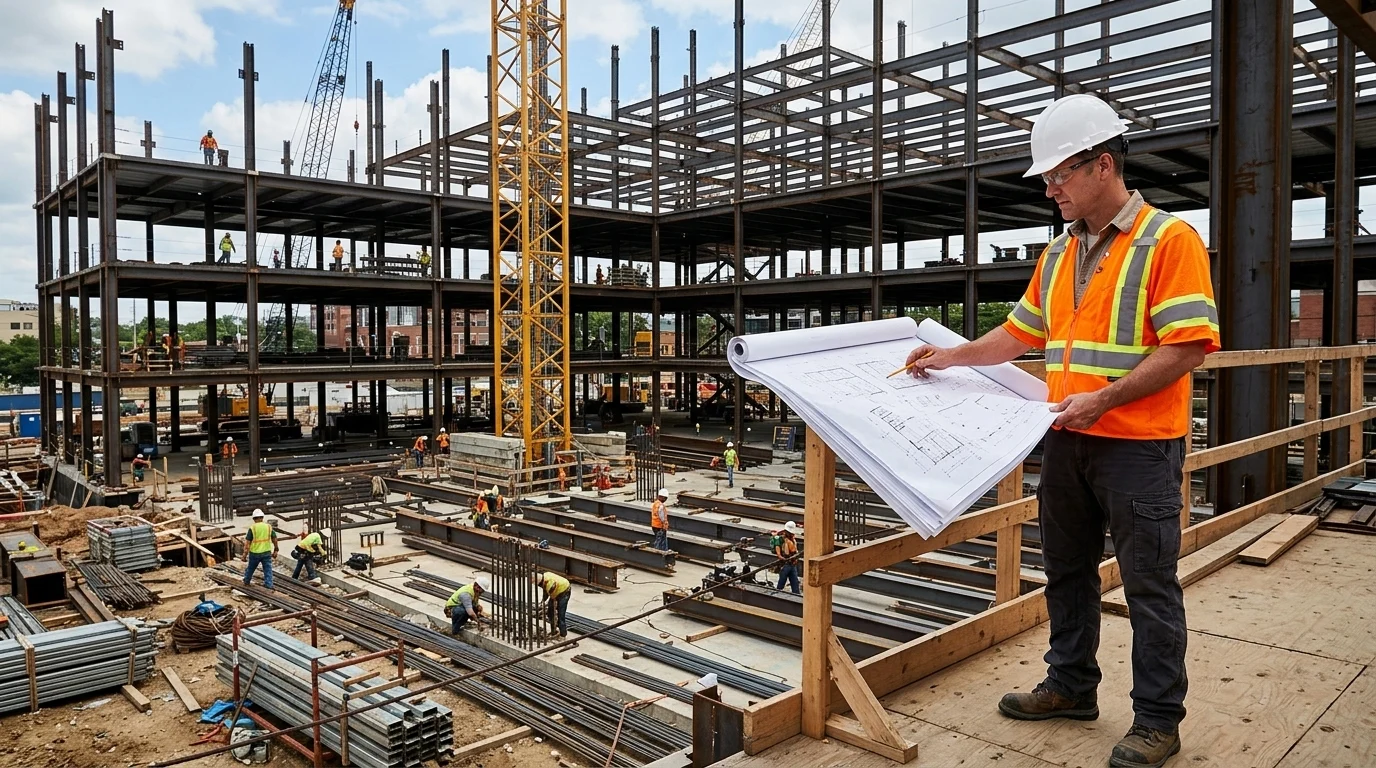
Construction is one of the few industries where being profitable on paper and having cash in the bank are routinely two very different things. A contractor can have a full pipeline of profitable, signed contracts and still struggle to make payroll, because the cash from those contracts often will not arrive for thirty, sixty, or ninety days after the work is completed. This gap between earning revenue and actually collecting it is the defining financial challenge of the construction industry, and it shapes which financing tools genuinely help and which ones just add another obligation to juggle.

This guide covers the specific cash flow pattern construction businesses deal with, the financing options built to address it, and how bonding fits into the broader picture.

The Cash Flow Pattern Unique to Construction

Most construction work follows a pay when paid or pay after milestone structure, where a contractor covers labor, materials, and subcontractor costs upfront, then bills the client or general contractor, then waits for that invoice to clear. On a larger commercial project, this cycle can stretch well past sixty days, during which the contractor still has ongoing payroll, material costs on the next phase, and often multiple projects at different stages simultaneously.

This pattern means a construction business can be growing quickly, taking on more and better contracts, and still face its tightest cash position exactly when things are going well, since growth means more projects in the pipeline all waiting on payment at once. Financing built for this industry needs to address that timing gap specifically, not just provide a lump sum for general use.

Financing Options Built for This Pattern

Invoice factoring for pay when paid gaps

Invoice factoring is particularly well suited to construction, since it directly addresses the gap between completing work and getting paid for it. A factoring company advances a percentage of an approved invoice, commonly 70 percent to 90 percent, immediately, with the remainder released once the client pays, minus a fee. For a contractor waiting on a general contractor’s payment cycle, this can mean covering next week’s payroll without waiting for an invoice that is still forty five days from clearing.

Equipment financing for heavy machinery

Construction is one of the most equipment intensive industries in small business lending, and financing for excavators, loaders, trucks, and other heavy machinery is a well established category with lenders who specialize in exactly this kind of collateral. Because this equipment holds substantial resale value, financing terms are often more favorable than an unsecured alternative, and terms are typically matched to the equipment’s useful life, often five to ten years for heavier machinery.

Lines of credit for job to job flexibility

A line of credit gives a construction business a standing buffer to draw on between projects or to cover the material costs of a new job before the first payment milestone arrives. Because interest accrues only on the amount drawn, a line that sits mostly unused between big draws costs relatively little while remaining available exactly when the timing gap between projects creates pressure.

SBA loans for larger, planned growth

For a construction business investing in a larger equipment fleet, a new facility, or significant working capital to support a major expansion, an SBA backed loan often provides the most favorable long term cost, provided the business has the operating history and documentation to support the longer approval process. This tends to fit planned growth better than the immediate cash flow gaps invoice factoring or a line of credit are built to solve.

Bonding and Financing Are Not the Same Thing

Contractors new to larger commercial or government work sometimes confuse surety bonding with financing, but they solve different problems. A performance bond or payment bond is a guarantee to the project owner that the work will be completed and subcontractors and suppliers will be paid, backed by a surety company, not a source of working capital for the contractor itself. Being bonded can actually make it easier to win larger contracts, but it does not solve the cash flow gap while waiting for those contracts to pay out, which is exactly where financing options like invoice factoring or a line of credit come in as a complement to bonding rather than a substitute for it.

Typical Costs in Construction Financing

Costs vary by product and by how established the contractor is. Invoice factoring fees commonly run 1 percent to 5 percent per 30 day period the invoice remains outstanding, which compounds if a client is slow to pay, making the client’s payment reliability almost as important as your own financial profile when evaluating this option. Equipment financing for heavy machinery commonly carries rates from 7 percent to 20 percent annually, reflecting the strong collateral value of construction equipment. Lines of credit for construction businesses typically range from 10 percent to 26 percent on the drawn balance, depending on the business’s financial profile and banking relationship.

What Strengthens a Construction Financing Application

A documented backlog of signed contracts or a clear pipeline of upcoming work demonstrates predictable future revenue in an industry where lenders know cash flow can be lumpy. Clean documentation of accounts receivable, showing which clients are current and which are past due, matters enormously for invoice factoring specifically, since the factor is really underwriting your client’s ability to pay, not just your own business. A track record of completing projects on time and within budget, while harder to document formally, often comes through in references and past project history that some lenders will ask about directly for larger financing requests.

Common Mistakes in Construction Financing

Relying on a fixed monthly payment product to cover a cash flow gap that is actually tied to project timing, rather than choosing a product like factoring or a line of credit that flexes with when money actually arrives, is one of the more common mismatches in this industry. Financing equipment with a term longer than the equipment’s realistic useful life leaves a contractor still paying for a machine that has already been sold, traded in, or worn out. Underestimating how quickly cash gets absorbed across multiple simultaneous projects, especially during a growth period, catches many contractors off guard exactly when the business is otherwise doing well.

Running the Numbers Before You Commit

Before choosing a financing path, it helps to see the real cost side by side, especially when comparing something like invoice factoring against a line of credit for the same underlying cash flow gap. Our business loan calculators let you compare the actual numbers across these structures so you can choose based on your specific situation rather than a general assumption about which product is cheaper.

Frequently Asked Questions

Can a new construction business get financing without an established track record?

It is more difficult, but not impossible, particularly for equipment financing, where the equipment itself provides collateral that offsets some of the lender’s risk from a shorter operating history. Invoice factoring can also be more accessible to newer contractors since it leans heavily on the client’s creditworthiness rather than the contractor’s own history, provided the client is a solid payer.

Does invoice factoring work for residential contractors, or only commercial and government work?

Factoring is most commonly used for commercial and government contracting, where formal invoicing and longer net payment terms are standard practice. Residential work, which is often paid more quickly and directly by homeowners, generally has less need for factoring, though it can still apply in situations involving larger residential projects billed through a general contractor or property management company on similar payment terms.

How does a lender evaluate a construction business differently from other industries?

Lenders familiar with construction typically look closely at accounts receivable aging, the mix of project types and clients, and how concentrated revenue is among a small number of large clients versus spread across many smaller ones. A heavy reliance on one or two major clients can be viewed as a risk factor even if overall revenue looks strong, since losing a single relationship could significantly affect cash flow.

Is equipment financing available for used or older heavy machinery?

Yes, though terms are generally less favorable than for newer equipment, often with a shorter maximum term, a higher rate, or a larger required down payment, since resale value and remaining useful life are harder to predict confidently for older machinery. Documentation on the equipment’s maintenance history and condition can help support better terms when financing used equipment.

What happens to financing obligations if a major project gets delayed or canceled?

This depends heavily on the specific financing structure. A fixed term loan payment continues regardless of project timing, which is why matching financing type to the actual shape of your cash flow matters so much in this industry. Revenue tied products, like certain lines of credit or factoring arrangements, are generally more resilient to a single delayed project, though a canceled project that was factored can create its own complications depending on the agreement, which is worth understanding fully before signing.

Should a contractor prioritize bonding capacity or financing access when trying to grow?

Both typically matter for meaningful growth into larger contracts, and they work together rather than substituting for each other. Bonding capacity determines what size and type of contracts you can even bid on, while financing access determines whether you can actually manage the cash flow required to execute those contracts once won. A contractor focused only on increasing bonding capacity without a plan for the working capital gap that comes with larger projects often finds the growth harder to sustain than expected.

Equipment Financing for Small Businesses: How It Works and When It Makes Sense

A delivery truck breaks down beyond repair. A restaurant’s walk in cooler finally gives out. A print shop needs a new press to take on a bigger contract. Moments like these share a common shape: the business needs a specific, identifiable piece of equipment, not a general pool of working capital, and the equipment itself has real resale value. That shape is exactly what equipment financing is built around, and it is one of the more misunderstood corners of small business lending.

This guide covers how equipment financing actually works, how it differs from a general term loan, the leasing alternative, and what to check before signing anything.

What Makes Equipment Financing Different

The defining feature of equipment financing is that the equipment being purchased serves as collateral for the loan itself. This changes the underwriting math in a meaningful way. Because the lender has a tangible asset to reclaim and resell if the loan goes unpaid, equipment financing is often easier to qualify for and can carry a lower rate than an unsecured general purpose loan of the same size, even for a business that might not qualify as strongly on revenue or credit alone.

This also means the loan amount is directly tied to the equipment’s value. Lenders typically finance somewhere between 80 percent and 100 percent of the equipment’s purchase price, occasionally including related costs like installation or delivery, with the remainder covered by a down payment if the lender does not offer full financing.

How the Terms Typically Work

Repayment terms are generally matched to the useful life of the equipment being financed rather than a generic loan term. A commercial vehicle might be financed over three to six years, while heavier industrial equipment with a longer useful life might stretch to seven or even ten years. Matching the term to the equipment’s expected lifespan keeps you from still making payments on a machine that has already been replaced or retired.

Rates commonly range from 6 percent to 20 percent annually, with the lower end generally reserved for well established businesses financing newer equipment with strong resale value, and the higher end more common for newer businesses, weaker credit profiles, or used equipment that carries more resale uncertainty.

Financing vs Leasing

Equipment financing and equipment leasing solve a similar problem through different structures, and the right choice depends heavily on how you plan to use the equipment over time.

With financing, you own the equipment once the loan is paid off, and the payments build equity in an asset that stays on your balance sheet. This tends to make more sense for equipment you expect to use for its full useful life, or that holds meaningful resale value when you are eventually done with it.

With leasing, you make regular payments to use the equipment without ever owning it outright, often with an option to purchase it at the end of the lease for a predetermined price. Leasing tends to make more sense for equipment that becomes outdated quickly, such as certain technology or specialized machinery in a fast changing field, since it lets you upgrade at the end of the lease term rather than being stuck owning something that has lost most of its value.

Tax treatment differs between the two structures as well, and this is genuinely worth a conversation with an accountant familiar with your specific situation before deciding, since the right answer depends on your business’s broader tax picture, not just the equipment itself.

What Lenders Actually Look At

Because the equipment itself reduces the lender’s risk, equipment financing underwriting tends to be somewhat more forgiving than a general unsecured loan, but lenders still weigh several factors.

Your business’s cash flow and revenue history, to confirm the new payment fits comfortably within what your business already generates. Time in business, though many equipment lenders accept newer businesses more readily than banks would for an unsecured product, particularly when the equipment itself is common and easy to resell. The age, condition, and type of equipment, since newer, more standard equipment with an established resale market is viewed more favorably than highly specialized or older used equipment. Your personal credit profile, which still factors into the decision even though the loan is secured, particularly for the interest rate you are offered.

New Equipment vs Used Equipment

Financing used equipment is generally possible but often comes with a shorter maximum term, a higher rate, and sometimes a larger required down payment compared to new equipment, since resale value and remaining useful life are harder for a lender to predict confidently. If you are financing used equipment, come prepared with documentation on its condition, age, and any recent maintenance history, since this can meaningfully improve the terms a lender is willing to offer.

What to Check Before You Sign

A few specific details are worth confirming on any equipment financing or lease agreement before you commit.

Whether the rate is fixed or variable. A fixed rate keeps your payment predictable for the full term, while a variable rate can change with broader interest rate movements, which matters more the longer your term runs.

What happens if the equipment is damaged, lost, or becomes obsolete before the loan is paid off. Confirm whether you are required to carry specific insurance coverage on the equipment, and understand what your obligation looks like if something happens to it mid term.

Whether there is a prepayment penalty. If you expect the possibility of paying off the equipment early, whether from a strong revenue year or an early upgrade, confirm this does not carry an unexpected fee.

The end of term terms if it is a lease. Understand exactly what your options are when the lease ends, whether that is returning the equipment, purchasing it at a stated price, or renewing the lease, and what any of those paths actually cost.

Where Equipment Financing Fits Among Other Options

Compared to a general term loan, equipment financing is usually the better choice when the need is specifically a piece of equipment rather than general working capital, since the collateral typically results in better terms than an unsecured alternative. Compared to a merchant cash advance, equipment financing is almost always the lower cost option for this specific purpose, though it moves more slowly and requires more documentation about the equipment itself. If your need extends beyond just the equipment, such as needing working capital alongside the purchase, it is worth considering whether a slightly larger term loan or a separate line of credit might serve the broader need better than stretching equipment financing to cover things it was not designed for.

Before committing to any specific offer, run the numbers through our business loan calculators to see the real monthly payment and total cost, and compare that against your business’s actual cash flow rather than just the sticker price of the equipment.

Frequently Asked Questions

Can a new business get equipment financing without an established credit history?

It is generally more accessible than an unsecured loan for a new business, since the equipment itself serves as collateral, but most lenders still want to see some combination of decent personal credit, a reasonable down payment, or a co signer for a business with very limited history. Expect somewhat tighter terms, such as a higher rate or larger down payment requirement, compared to an established business with a longer track record.

What happens if I cannot make payments on financed equipment?

Because the equipment serves as collateral, a lender typically has the right to repossess it if payments are not made according to the agreement, similar to how an auto loan works. Beyond losing the equipment, missed payments can also affect your business and personal credit depending on how the loan was structured, so review the default terms carefully before signing.

Is it better to put a larger down payment on equipment financing?

A larger down payment generally reduces your monthly payment and total interest cost over the life of the loan, and can sometimes help you qualify for a better rate. Weigh this against your business’s need to preserve cash for other purposes, since tying up too much cash in a down payment can create its own strain even if it saves money on the financing itself.

Can equipment financing be used for software or only physical equipment?

Some lenders do extend equipment financing to certain business software or technology packages, though the terms are often less favorable than for physical equipment, since software typically has little to no resale value to serve as collateral. Confirm directly with a specific lender whether software qualifies under their program before assuming it does.

How quickly can equipment financing actually be approved?

Timelines vary by lender and loan size. Smaller, standard equipment purchases through online lenders can sometimes be approved within one to two business days, while larger or more specialized equipment financing, particularly through a bank, can take one to several weeks depending on the documentation required and the complexity of the equipment involved.

Does the equipment need to be purchased from a specific vendor?

Some lenders have preferred vendor relationships or restrict financing to certain equipment dealers, while others allow you to finance equipment from any seller, including private party purchases in some cases. This varies significantly by lender, so confirm vendor requirements before you commit to a specific piece of equipment if you plan to finance the purchase.

Restaurant Business Loans: Financing Options for Food Service Owners

Few industries put more strain on cash flow than food service. Margins are thin even in a good month, revenue swings with the season and the weather, and a single piece of failed kitchen equipment can shut down service entirely until it is replaced. Lenders know this, and it shapes how restaurant financing actually works in ways that differ meaningfully from general small business lending.

This guide covers the specific financing challenges restaurant owners face, the options best suited to those challenges, and what tends to strengthen or weaken an application in this industry specifically.

Why Restaurants Are Underwritten Differently

Restaurants carry a reputation among lenders as a higher risk category, and the data behind that reputation is not entirely unfair. Thin margins mean less room to absorb a bad month. High failure rates, particularly in the first two years, make time in business a heavily weighted factor. Seasonal swings, whether from tourism, weather, or local events, create revenue patterns that look inconsistent to an automated underwriting model even when the business is fundamentally healthy.

None of this makes restaurant financing impossible, but it does mean the type of lender and the type of product matter more here than in many other industries. A restaurant with strong, well documented cash flow is still a fundable business, but it often needs to work with lenders who understand food service specifically rather than a generic small business lender applying one size fits all criteria.

Financing Options That Fit Restaurant Cash Flow

Equipment financing for kitchen equipment

Ovens, refrigeration units, dishwashers, and other kitchen equipment represent some of the largest capital expenses a restaurant faces, and because this equipment holds real resale value, it is generally one of the more accessible financing types for food service businesses. A failed walk in cooler or oven is exactly the kind of urgent, specific need equipment financing is built to solve, and the equipment itself typically serves as collateral, which can make approval more achievable than an unsecured loan for a business with a shorter operating history.

Working capital advances for slow season gaps

Many restaurants experience predictable slow periods, whether a seasonal tourist market, a post holiday lull, or a weather dependent patio season. A merchant cash advance or a revenue based working capital product can bridge these gaps, with repayment tied to a percentage of daily sales rather than a fixed amount, which flexes naturally with a slower week rather than creating a rigid payment obligation regardless of revenue.

SBA loans for renovation or a second location

For a more established restaurant considering a buildout, a major renovation, or opening a second location, an SBA backed loan often offers the most favorable long term cost, provided the business can meet the documentation requirements and tolerate the longer approval timeline. The SBA 7(a) program in particular is commonly used across the restaurant industry for exactly this kind of planned, larger scale expansion.

Lines of credit for ongoing flexibility

A line of credit gives a restaurant a standing buffer to draw on as needed, whether for an unexpected repair, a short term staffing gap, or simply smoothing out the natural unevenness of week to week revenue. Because interest only accrues on the amount actually drawn, a line of credit that goes unused in a strong month costs very little, while still being available the moment it is needed.

Typical Costs for Restaurant Financing

Costs vary meaningfully by product type and by how established the restaurant is. Equipment financing for kitchen equipment commonly carries rates from 8 percent to 22 percent annually, reflecting the collateral benefit. Working capital advances and merchant cash advances tend to run higher, with factor rates commonly between 1.15 and 1.50, reflecting the shorter operating history and higher perceived risk many restaurants carry. SBA loans, when a restaurant qualifies, generally offer the lowest cost of any option, often several points below an unguaranteed alternative, though qualifying typically requires at least two years of operating history and solid financial documentation.

What Strengthens a Restaurant Financing Application

A few specific things consistently improve how a restaurant’s application is received, beyond the general factors that matter for any small business.

Consistent, well organized point of sale data. Lenders increasingly look at point of sale system exports alongside bank statements, since this data shows daily revenue patterns more clearly than bank deposits alone, which can lag or bundle multiple days together.

A clear explanation of any seasonal pattern. If your revenue genuinely swings with a predictable season, documenting that pattern with at least a full year of data helps a lender distinguish predictable seasonality from actual instability.

A track record of managing existing obligations well. Consistent, on time payments on any existing equipment leases, supplier accounts, or prior financing demonstrate reliability in an industry where lenders are already inclined toward caution.

Realistic, specific use of funds. A clearly explained plan, such as replacing a specific piece of equipment or covering a documented seasonal gap, is viewed more favorably than a vague general working capital request, particularly for newer restaurants still building a track record.

Common Mistakes That Hurt Restaurant Applications

Applying with less than six months of operating history is one of the most common reasons for an automatic decline, since most lenders want at least some track record before extending credit, even a secured product like equipment financing. Stacking multiple advances or loans without a clear plan for managing the combined payment obligation is another frequent issue, since daily or weekly debits from several products at once can strain even a healthy restaurant’s cash flow quickly. Underestimating how a slow season will affect the ability to make payments, particularly on a fixed payment product rather than a revenue based one, is a mistake that often only becomes clear after the fact, which is why matching the repayment structure to your actual revenue pattern matters as much as the rate itself.

Putting the Numbers to the Test Before You Apply

Before choosing a specific financing path, run your expected payment against your restaurant’s actual slowest month, not an average month, to see whether it genuinely fits your cash flow. Our business loan calculators let you test a term loan payment, a factor rate advance, or a credit line draw against your real numbers, so you can compare options honestly before committing to one.

Frequently Asked Questions

How long does a restaurant need to be open before qualifying for financing?

Requirements vary by product and lender, but many working capital and equipment financing options require at least six months of operating history, with a meaningful share of lenders preferring twelve months or more. SBA loans typically require at least two years of documented financial history, which is one reason newer restaurants often start with equipment financing or a revenue based advance before becoming eligible for SBA products.

Does a restaurant’s specific cuisine or concept affect financing eligibility?

Generally not directly, though some lenders factor in broader category risk, such as viewing a well established fast casual concept differently than a single very high end fine dining location with a smaller potential customer base. What matters most in practice is the restaurant’s actual revenue consistency and cash flow, not the specific style of food being served.

Can a food truck or mobile food business get the same financing options as a brick and mortar restaurant?

Many of the same options apply, including equipment financing for the vehicle and kitchen equipment, working capital advances, and lines of credit, though some lenders treat mobile food businesses as a distinct category with its own criteria. Vehicle age and condition often factor more heavily into equipment financing terms for a food truck than they would for stationary kitchen equipment.

Is it harder to get financing for a restaurant that had one bad year during the pandemic recovery period?

A single difficult year does not automatically disqualify a restaurant, particularly if more recent months show clear recovery and stabilization. Lenders generally weigh recent performance, especially the trailing three to six months, more heavily than a single past period, so a restaurant currently performing well should not assume an older rough patch will block financing entirely.

What financing option works best for a restaurant with strong weekend revenue but weak weekday revenue?

A revenue based product, such as a merchant cash advance with payments tied to a percentage of daily sales, tends to handle this pattern more gracefully than a fixed daily or weekly payment, since it naturally scales down on slower weekdays rather than demanding the same amount regardless of that day’s sales. A fixed payment product still works, but the payment amount should be sized conservatively against your weakest days, not your strongest ones.

Should a restaurant owner use personal savings or financing for a kitchen equipment emergency?

This depends on your specific financial situation, but a strong argument exists for preserving personal savings as a buffer and using equipment financing for a large, sudden equipment failure, since the equipment itself can serve as collateral and the cost is often more manageable than expected. Weigh the interest cost of financing against the value of keeping your own cash reserves intact for other unexpected needs.

Retail Business Loans: How Retailers Fund Inventory and Growth

Retail is a cash intensive business built around a specific and often uncomfortable pattern: spending money on inventory well before that inventory generates a single dollar of revenue. A boutique buying for the fall season, a hardware store stocking up ahead of storm season, or an online retailer preparing for the holiday rush all face the same basic challenge, a large upfront cash outlay followed by a selling period that determines whether that bet pays off. Financing built around this pattern looks different from general small business lending, and understanding the difference helps retailers plan rather than scramble.

This guide covers the financing options best suited to retail’s specific cash flow pattern, how seasonality factors into planning, and what tends to strengthen a retail financing application.

The Core Challenge: Inventory Comes Before Revenue

Unlike a service business that gets paid roughly as work is performed, a retailer typically has to purchase, receive, and often display inventory well before a single unit sells. This creates a cash gap that widens with the size of a seasonal buy, and it means a retailer’s tightest cash position often arrives right before the busiest and most profitable selling period, exactly when the business can least afford to be short on cash for rent, payroll, and marketing.

The financing options that work best for retail are the ones that align with this specific timing, either by providing capital ahead of a known buying season or by flexing naturally with the sales that follow it.

Financing Options That Fit Retail

Lines of credit for seasonal inventory buildup

A line of credit is one of the most natural fits for retail specifically because it can be drawn ahead of a known buying season and repaid as that inventory sells through, then left largely unused during a slower period. This rhythm, drawing before a season and repaying after it, matches how retail cash flow actually moves far better than a fixed monthly payment product with no relationship to the selling calendar.

Merchant cash advances tied to card sales

For retailers, particularly those with strong, consistent card sales volume, a merchant cash advance repaid as a percentage of daily card transactions can be a workable option for a shorter term need, since the repayment amount naturally rises during a strong selling period and falls during a slower one. This structure fits retail’s often seasonal sales pattern more comfortably than a fixed daily debit, though the overall cost is typically higher than a line of credit or term loan.

Term loans for store buildout or a new location

For a planned, one time expense like a store renovation, new fixtures, or opening a second location, a term loan generally offers a more predictable and often lower cost structure than a revenue based product, since the expense itself is not tied to a specific selling season the way inventory financing is. This makes a term loan a better match for capital improvements than for the recurring rhythm of inventory buying.

Invoice factoring for B2B and wholesale retailers

Retailers who sell primarily direct to consumers rarely need invoice factoring, since those sales are typically paid immediately at the point of purchase. Retailers with a wholesale or business to business component, selling to other stores or through distributors on net payment terms, can face the same invoice timing gap common in other B2B industries, and factoring can bridge that gap in the same way it does for a manufacturer or a service business billing on similar terms.

Planning Financing Around Your Buying Calendar

The most effective retail financing strategy usually starts with mapping out your buying calendar well before you need the capital, rather than reacting once a seasonal order is already due. If you know your fall inventory buy needs to happen in July, applying for a line of credit or securing financing in May or June, before the pressure is on, generally results in better terms and a smoother process than applying under time pressure once payment is already due to a supplier.

This also means the size of financing needed should be sized against a specific, calculated inventory investment rather than a rough estimate, since overborrowing against inventory that does not sell through as quickly as expected creates its own cash flow strain later in the season.

Typical Costs for Retail Financing

Costs vary by product and by the retailer’s sales consistency and credit profile. Lines of credit for retail businesses commonly range from 10 percent to 26 percent annually on the drawn balance. Merchant cash advances tied to card sales typically carry factor rates from 1.15 to 1.50, reflecting the flexibility of the revenue based repayment structure. Term loans for buildout or expansion commonly range from 9 percent to 28 percent depending on the retailer’s financial profile and time in business, with well established retailers often qualifying at the lower end of that range.

What Strengthens a Retail Financing Application

Clear inventory turnover data showing how quickly stock actually sells through is one of the more valuable pieces of documentation a retailer can provide, since it demonstrates that a seasonal buy translates into revenue on a predictable timeline rather than sitting on shelves. Point of sale system data alongside bank statements gives a lender a clearer view of actual sales patterns than bank deposits alone, particularly for a business with meaningful cash transaction volume. A documented history of successfully managing past seasonal buys, showing that previous inventory investments led to a strong corresponding sales period, builds confidence for a lender evaluating a similar request.

Common Mistakes in Retail Financing

Waiting until a supplier payment is already due to start the financing process is one of the most common and most avoidable mistakes, since it removes any negotiating leverage and often forces a retailer into a faster, more expensive option than would have been necessary with better timing. Using a fixed payment product to finance inventory for a business with genuinely seasonal sales can create a mismatch where payments are due steadily throughout the year regardless of whether the business is in its busy season or its slow one. Overestimating how quickly a large seasonal buy will sell through, then finding cash tied up in slow moving inventory while a fixed financing payment continues regardless, is a pattern worth planning around carefully, particularly for a newer retail concept without several seasons of sales history to rely on.

Running the Numbers Before Your Next Buying Season

Before your next major inventory buy, it is worth calculating the actual carrying cost of financing that purchase against your expected sell through timeline. Our business loan calculators let you see the real payment and total cost across a line of credit, a term loan, or a revenue based advance, so you can size your financing to match your actual buying calendar rather than guessing.

Frequently Asked Questions

How far in advance should a retailer apply for seasonal inventory financing?

Generally at least four to six weeks before the funds are actually needed, and longer if pursuing a line of credit for the first time, since initial approval and setup can take longer than a subsequent draw against an already established line. Applying this far ahead also avoids the time pressure that often leads to accepting a faster, more expensive option out of necessity.

Is a merchant cash advance a good fit for a retailer with low card transaction volume?

Not typically. A merchant cash advance repaid as a percentage of card sales works best for a retailer with strong, consistent card transaction volume, since the repayment structure depends on that data. A retailer with significant cash sales or inconsistent card volume may find a line of credit or term loan a better structural fit, since those products do not depend on card processing data the same way.

Can an online only retailer qualify for the same financing options as a physical store?

Largely yes, and in many cases online retailers have an easier time providing the detailed sales data lenders want to see, since ecommerce platforms typically generate clean, exportable sales and inventory reports. Some lenders even specialize specifically in ecommerce and online retail financing, with underwriting models built around marketplace or platform sales data rather than traditional bank statements alone.

Does a retailer need to show profitability to qualify for inventory financing?

Most lenders weigh revenue and cash flow more heavily than pure profitability for shorter term inventory financing, since the immediate question is whether the business can service the payment during the financing term, not necessarily whether the business shows a net profit on paper after accounting for all expenses. Stronger, longer term financing options like an SBA loan typically do weigh overall profitability and financial health more heavily.

What happens if seasonal inventory does not sell through as expected?

This depends on the specific financing structure. A revenue based product, like a merchant cash advance, naturally adjusts since payments are tied to actual sales, though total payback remains the same regardless. A fixed payment product, like a term loan, continues at the same amount regardless of how the season performed, which is why accurately estimating sell through before committing to a fixed payment structure matters so much for a seasonal purchase.

Should a retailer use financing or cash reserves for a smaller, routine seasonal buy?

For a smaller, well established seasonal pattern the business has successfully navigated many times before, using cash reserves can avoid financing costs entirely if the business has the reserves to spare. Financing tends to make more sense for a larger buy, a new or uncertain seasonal pattern, or a situation where preserving cash reserves for other needs is a higher priority than avoiding the cost of financing for this specific purchase.

Types of Business Loans in 2026: A Complete Guide to Which One Fits

Business owners rarely start a financing search knowing exactly which product they need. Most start with a problem, a payroll gap, an equipment purchase, an inventory buy, a growth opportunity, and only later discover that half a dozen genuinely different financing structures could theoretically solve it, each with its own math, its own qualification bar, and its own tradeoffs. Picking the wrong type is not usually a matter of choosing a bad lender. It is more often a matter of matching the wrong tool to the job.

This guide walks through the major types of business financing available in 2026, what each one is actually built for, and a practical framework for narrowing down which category fits your situation before you start comparing specific offers.

Term Loans

A term loan is the most familiar structure: a lump sum upfront, repaid in fixed installments over a set period, usually monthly. It is the closest thing to how most people picture business borrowing, and it remains the default choice for a well defined, one time need such as a renovation, a large equipment purchase, or consolidating existing debt.

Typical amounts range from $10,000 to $500,000, with terms anywhere from one to ten years depending on the lender and the use of funds. Annual rates commonly run from 9 percent to 30 percent through online lenders, with bank and SBA backed term loans often landing lower for well qualified borrowers. Because interest is charged on a declining balance, a term loan is usually the most predictable financing type to budget around.

Business Lines of Credit

A line of credit works more like a revolving safety net than a one time loan. Once approved, you can draw against it as needed, repay, and draw again, paying interest only on the portion you actually use. This makes it a natural fit for managing uneven cash flow, covering a seasonal dip, or having a buffer ready for an unexpected expense without reapplying every time.

Credit limits commonly range from $10,000 to $250,000, with annual rates on the drawn balance typically between 10 percent and 28 percent. Some lines also carry an annual or draw fee separate from the interest rate. A line of credit is generally less useful for a single large, planned expense, since a term loan usually offers a lower cost for that kind of predictable spending.

SBA Loans

SBA loans are not funded directly by the government. They are funded by participating banks and lenders, with a portion guaranteed by the Small Business Administration, which allows those lenders to offer more favorable rates and terms than they otherwise would for the same level of risk. The tradeoff is a longer, more document heavy approval process, often several weeks to a few months.

The most common version, the 7(a) program, supports amounts up to $5 million for a wide range of business purposes, while the 504 program is built specifically for major fixed assets like real estate or heavy equipment. SBA rates are generally among the lowest available to small businesses, often landing several points below a comparable unguaranteed loan, which makes the slower process worth it for a business that can plan ahead.

Equipment Financing

Equipment financing is built around a single purpose: acquiring machinery, vehicles, or other physical equipment, with the equipment itself typically serving as collateral. This built in collateral often makes equipment financing easier to qualify for than an unsecured loan of a similar size, since the lender’s risk is partly offset by the resale value of the asset.

Terms are usually matched to the useful life of the equipment, commonly two to seven years, and rates often range from 6 percent to 20 percent depending on the borrower’s profile and the type of equipment involved. Some arrangements are structured as leases rather than loans, with different tax and ownership implications worth reviewing with an accountant before choosing between the two.

Invoice Factoring

Invoice factoring solves a different problem entirely: cash that is tied up in unpaid customer invoices rather than a lack of revenue. Instead of borrowing, a business sells its invoices to a factoring company at a discount, receiving an advance immediately, commonly 70 percent to 90 percent of the invoice value, with the remainder released once the customer pays, minus a fee.

Because underwriting focuses heavily on the creditworthiness of your customers rather than your own business credit, factoring can be accessible to newer businesses or those with a less established credit history, provided their customers are solid payers. It tends to work best for businesses with long payment cycles, such as those serving larger corporate or government clients on net 30 to net 90 terms.

Merchant Cash Advances

A merchant cash advance is technically a purchase of future receivables rather than a loan, which is why it uses a factor rate instead of an interest rate. A fixed multiplier, often between 1.10 and 1.50, is applied once to the advance amount to determine total payback, collected through daily or weekly debits tied to sales or a fixed schedule.

An MCA is generally the fastest financing type to obtain, often funding within a day, and the most flexible on eligibility, since underwriting leans heavily on recent bank statement activity rather than credit history or time in business. That speed and flexibility comes at a real cost, and an MCA is typically the most expensive financing type on an annualized basis, making it best suited to short, urgent needs rather than ongoing capital.

Microloans

Microloans are smaller, typically under $50,000, often issued through nonprofit community lenders, SBA affiliated microloan programs, or specialized online platforms. They are frequently the most accessible option for very new businesses, sole proprietors, or business owners without an extensive credit history, sometimes paired with mentorship or business support services.

Rates vary widely depending on the issuing organization, though nonprofit and SBA affiliated microloans often carry more favorable terms than a comparable small loan from a for profit online lender.

Commercial Real Estate Loans

For businesses purchasing or refinancing property, commercial real estate loans are a distinct category with their own underwriting logic centered on the property itself as much as the business. Terms often run ten to twenty five years, with rates influenced by loan to value ratio, property type, and broader market interest rate conditions. SBA 504 loans are a common path for owner occupied commercial property, often offering more favorable terms than a conventional commercial mortgage.

A Framework for Choosing the Right Type

Rather than starting with which lender to use, start with three questions about the need itself.

Is this a one time expense or an ongoing need? A one time expense, like a renovation or a large equipment purchase, generally points toward a term loan or equipment financing. An ongoing or unpredictable need, like managing seasonal cash flow, generally points toward a line of credit.

How urgent is the timeline? A genuinely urgent need with no flexibility often narrows the field to online term loans, lines of credit already in place, or in the most time sensitive cases, a merchant cash advance, since SBA and bank options are rarely fast enough for a true emergency.

What does your business actually have to offer as evidence of ability to repay? Strong, established financials and time in business open the door to SBA and bank products with the lowest cost. Strong recent revenue but a thinner credit history often points toward online term loans or merchant cash advances. Strong customer invoices with a longer collection cycle points toward factoring regardless of your own credit profile.

Once you have a general category in mind, it is worth running the actual numbers before comparing specific lenders. Our business loan calculators let you see the real payment and total cost across these different structures side by side, so the comparison is grounded in your own figures rather than general assumptions.

Frequently Asked Questions

What type of business loan is easiest to qualify for?

Merchant cash advances and invoice factoring tend to have the most flexible qualification criteria, since underwriting focuses on recent revenue or customer creditworthiness rather than the business owner’s personal credit history or time in business. This flexibility comes with a higher relative cost compared to bank or SBA products.

What type of business loan is generally the cheapest?

SBA backed loans and traditional bank term loans generally offer the lowest rates, since the lender’s risk is either partially guaranteed or offset by a longer, more thorough underwriting process. The tradeoff is a slower approval timeline and stricter eligibility requirements around credit history and time in business.

Can I combine more than one type of financing at the same time?

Yes, many businesses use more than one type simultaneously, such as an equipment loan for a specific machine alongside a line of credit for general working capital. Be mindful of how much total debt service your revenue can support across all obligations combined, since stacking too much financing at once can strain cash flow even if each individual product looked manageable on its own.

Do all business loan types require a personal guarantee?

Most do, particularly for small and mid sized businesses, since lenders generally want the business owner personally responsible for the debt regardless of the business entity structure. Some equipment financing and factoring arrangements rely more heavily on the underlying collateral or invoices, which can sometimes reduce, though rarely eliminate, the need for a personal guarantee.

How do I know if my business needs a term loan or a line of credit?

A useful rule of thumb is to match the financing structure to the shape of the expense. A single, defined cost with a clear amount and purpose generally fits a term loan better, since you know exactly how much you need and can budget a fixed payment against it. A recurring or unpredictable need, where the amount and timing vary, generally fits a line of credit better, since you only pay for what you actually draw.

Is an SBA loan always the best option if I can qualify and wait for it?

Usually the most cost effective option, but not always the best fit. If your need is time sensitive, the multi week to multi month SBA timeline may cost you the opportunity the financing was meant to capture in the first place. SBA loans are best reserved for planned, non urgent needs where the lower cost has time to matter.